


High-Performance HVAC™ contractors have long known the importance of addressing static pressure. But there’s another kind of “static pressure” building up in the industry. This one doesn’t affect airflow; it affects customer experience (CX). And poor customer experience can be damaging for your business.
In this era, CX is everything. It determines how people feel about your company, which determines your reviews and word-of-mouth reputation. The ability to deliver the best customer experiences is your biggest asset. And that asset is under threat.
The Struggle is Real

Customer expectations are higher than ever. They’re boosted constantly by a world of instant gratification. People can click a button on their phones to have any food they want delivered in under an hour. Increasingly, they want similar results from other kinds of companies.
People no longer compare brands just to their competitors in the same industry. Now people compare their experiences with your business to the best experiences they’ve ever had with any business. For HVAC organizations, like so many others, this means your success and even your company’s survival, depends on providing the best, fastest CX.
You’re also hearing from customers across more channels than ever – by phone, text, email, social media, and more. And here’s the irony: Despite all that customer information coming in, you’re likely to understand your customers even less.
I see this happening all the time. With so much data inundating you, it can seem impossible to keep track of it all. It’s like the CX system is being flooded with too much information, and no ductwork for it to travel through.
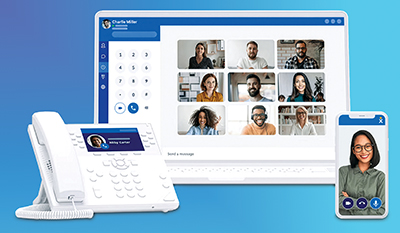
To combat this kind of “static pressure,” high-performance contractors are beginning to turn to artificial intelligence (AI) for help. But simply introducing AI into your operations doesn’t solve the problem. In fact, if you’re not careful, it can make things worse.
Working with businesses across a number of industries, including utilities, I’ve found that it helpful to explain the key elements to watch for when introducing AI into your company operations.
Seamlessness is the goal for AI
To achieve a seamless customer experience, step one is ending data silos. Currently, crucial information about each customer is spread out. There may be some in a dispatch app, a billing spreadsheet, a mess of text threads on technicians’ personal phones, and more. Each one of these areas is a separate data silo.
A study on transforming the customer experience in the energy and utilities markets explained, “Significant data-related challenges include inconsistent customer identifiers across systems, incomplete historical interaction records, and limited metadata describing the context of customer communications.”
Click Below for the Next Page:








Recent Comments