
Add in the fact that contractors frequently hold system credentials, remote access permissions, and sensitive customer information. These facts are why the HVAC industry is becoming a perfect storm of opportunity for cyber-criminals.
Smart Buildings, Smarter Risks
Today’s buildings are integrated ecosystems. This is true not only in commercial buildings but also in homes. Why? Because HVAC components communicate with:
- Building Management Systems (BMS)
- Energy platforms
- IoT (Internet of Things) sensors
- Cloud services
- Mobile control apps.
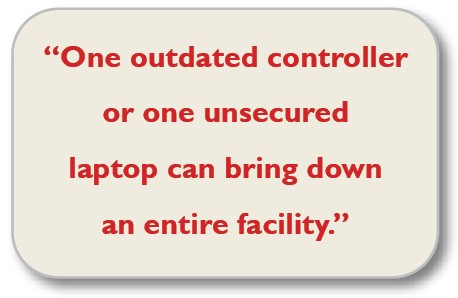
These attributes make them powerful — but also vulnerable. One weak password, one outdated controller, or one unsecured remote login can expose an entire facility.
The Contractor’s Expanded Attack Surface
What does this mean? Today, there are five major avenues for hackers to break into your company and then springboard into your customers’ buildings. These “attack surfaces” include the following:
- Business Email Compromise: Most HVAC Contractors rely heavily on email for things like bids, invoices, project approvals, payment confirmations, and more.
Attackers exploit this with increasingly sophisticated phishing campaigns to redirect payments or deploy ransomware. - Remote Access Vulnerabilities: Remote access tools allow contractors to monitor, adjust, and service systems. But without strong controls, these tools can become digital backdoors, creating remote access vulnerabilities.
- Connected HVAC Systems: Smart thermostats, Variable Refrigerant Flow (VRF) networks, and cloud connected controllers create convenience — and potential entry points for attackers who can shut down, alter, or hijack systems.
- Third-Party Weak Links: Each software vendor, subcontractor, or integration partner potentially expands your risk footprint. For these reasons, it is so important to ensure that your third-party partners have buttoned-up security on their systems to protect yours.
- Customer Exposure: Should a breach occur through contractor access, liability may extend far beyond downtime — including reputational and legal consequences. Consider the 2013 data breach, which cost Target more than $18.5 million in settlements and fees as a worst-case scenario.
Human Factors: The Hidden Weakness
In our universe, HVAC service and installation technicians are often well-trained and skilled — but not always in cybersecurity. Under tight schedules, they may unintentionally:
- Click a malicious link
- Reuse or share passwords
- Skip firmware updates
- Connect unsafe devices to networks.
Click Below for the Next Page:









Recent Comments