

When people ask me what a high-performance culture is, I tell them it is the heartbeat of our company. Because I’ve been doing High-Performance HVAC™ work since 2004, the mindset becomes instinctive. You stop thinking of airflow testing or static pressure diagnostics as “extra steps” and start seeing them as the only honest way to do this work.
Over time, those habits form the DNA that guides every decision you make.

Whenever we hire new technicians who have spent their careers in traditional shops, I’m reminded how unusual the High-Performance HVAC approach still is.
Some of these techs start with us having never seen a static pressure reading or a combustion analysis.
When they finally understand how much information they’ve been missing, you can see the revelation on their faces. It validates why we do things the way we do.
Our culture didn’t develop overnight. It started with my grandfather, who built this company on the belief that if you lose your integrity, you’ve lost everything.
My father carried that same belief when he eventually took over, and now that I’m leading the company under our updated name — Copeland Home Services — that commitment to integrity remains the foundation.
When we combine that with the technical philosophy of National Comfort Institute (NCI), we get a culture defined by transparency, accuracy, accountability, and the courage to do the right thing even when it is harder or slower.
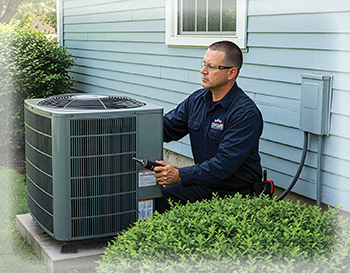
At many companies, you can trip over their standards. At ours, you can hit your head on them — and we keep them high for a reason.
Building People and Performance Through Training
In my opinion, a high-performance culture can’t exist without a strong commitment to teaching and developing people.
Training isn’t something we squeeze in when there’s time; it is baked into our weekly rhythm. Every Tuesday and Thursday morning at 7 a.m., our technicians gather to go over topics ranging from static pressure and airflow diagnostics to sales communication, building science concepts, and customer interactions, along with basic technical knowledge.
The most rewarding part is seeing the culture spread organically within the team. When technicians begin discussing airflow issues among themselves or sharing measureQuick® numbers from jobs without being asked, it shows that our principles have taken root. The process stops feeling like training and becomes part of their identity as professionals.
Click Below for the Next Page:






Recent Comments