
We then re-engineered the return drop, and retested. Static pressure dropped, the system stabilized, and the homeowner finally got the reliability they paid for. That was my first “WOW” moment with high performance testing and it set the tone for everything we’ve done since.
Smoothing the Seasons: Turning “High & Low” into “High & Normal”
One underrated benefit of Air Upgrades is timing. They’re almost never emergencies. That gives us the ability to schedule indoor return work and IAQ (indoor air quality) improvements during our brutal Canadian winters. Outdoor temperatures of minus 40°C are not unusual.
Drastically reducing emergencies keeps our install crew productive when outdoor installs would be miserable or delayed.
Practically, that means our calendar rides between 50 to 60-hour weeks in peak and steady 40s in shoulder seasons, instead of whip-lashing between “slammed” and “starved.”
From Calls to Consults: How Testing Creates Leads
Ninety percent of our leads are self generated. We don’t run billboards, we had zero marketing budget for years, and even today we keep it lean — Facebook, Google, and a website, mostly to make it easy for people to find us after they hear about what we do.
The reason it works is that testing finds invisible problems other contractors don’t uncover.
When you fix those issues, people talk. Additionally, manufacturers and supply houses send us their “unsolvable” cases because they know we’ll measure, document, and close the loop.
Operational Wins
Before we began High-Performance HVAC™ training with NCI, we were already rebuilding a lot of returns, but I’ll admit it was partly out of convenience and standardization.
The difference now is we know exactly why a system is struggling — and we can prove it.
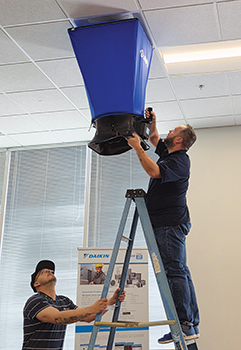
With airflow grids and static pressure testing, we’ve shifted from symptom chasing (like repeated ECM swaps) to true root cause fixes. Callbacks drop when the diagnosis is right and the system is verified after the work is finished.
Training Isn’t a Line Item — It’s Our Operating System
I have a simple rule: If my team is in a class, I’m in that class. It keeps our methods aligned with what we expect in the field, and it prevents the “training vs. company process” conflict that can happen when only techs attend.
Click Below for the Next Page:




Recent Comments